

Share this article:
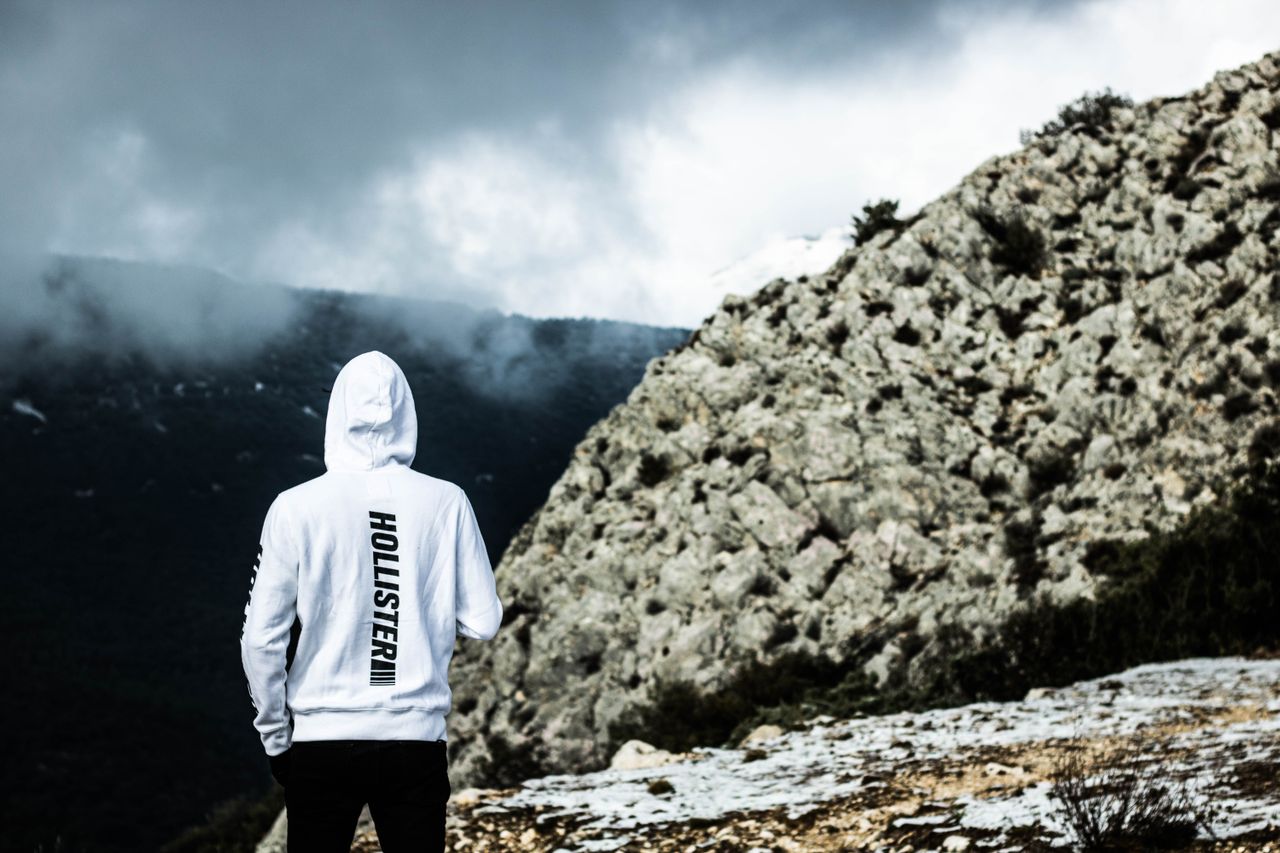
Most fashion brands treat influencer marketing like a vending machine: drop in payment, get content out. Hollister took a different path. The California-lifestyle brand rebuilt its entire creator strategy around long-term partnerships, and the results speak for themselves: 900% audience growth on TikTok and three consecutive quarters of brand growth. For brands running creator programs and looking to understand what actually works for Gen Z audiences, Hollister's playbook offers real lessons. Tracking all this creator activity at scale requires solid social listening infrastructure, but the strategic foundation matters just as much.
What makes Hollister's approach different is the shift from transactional campaigns to genuine creator relationships. The brand launched the Hollister Collective in June 2021, bringing together emerging Gen Z TikTok creators for 6-12 month partnerships. These weren't typical pay-per-post deals. Creators got involved in product feedback, led Instagram live shopping sessions, and even wrote custom music for TikTok and in-store use.
The brand's strategy also tackles one of retail's trickiest problems: connecting digital engagement to physical sales. With 70% of Hollister's sales happening in stores, TikTok content needs to drive mall traffic, not just clicks. This breakdown covers how Hollister built their program, what worked, and what other brands can learn from their approach.
Key Takeaways
- Long-term partnerships generate exponential content value: Hollister's 6-month creator relationships produced 800+ pieces of unpaid content beyond contractual obligations, demonstrating that invested creators naturally advocate for brands they believe in.
- Gen Z trusts peer recommendations over brand messaging: With 52% of Gen Z trusting influencers versus 38% trusting brand content, Hollister's focus on authentic creator voices rather than scripted messaging aligns with how their audience actually makes decisions.
- TikTok dominates Gen Z discovery but requires creative freedom: Hollister's 136% engagement rate increase came from letting creators interpret brand messaging in their own style, not from over-engineered campaigns.
- Digital engagement can drive physical retail: Despite heavy social investment, 70% of sales happen in-store, proving that social content can effectively drive foot traffic when creators make stores feel post-worthy.
- Creators as advisors, not just content vendors: Hollister uses influencers as sounding boards for products and marketing campaigns, creating better-aligned products and more authentic advocacy.
Understanding Hollister's Influencer Marketing Approach
Hollister's influencer strategy represents a fundamental shift in how fashion brands work with creators. Rather than treating influencers as advertising channels, the brand built a system designed around genuine relationships and mutual benefit.
The Shift from Transactions to Relationships
Before 2021, Hollister ran typical influencer campaigns: one-off sponsorships, pay-per-post deals, and short-term activations. The results were fine but forgettable. The brand made a strategic decision to prioritize long-term partnerships of 6-12 months over quick hits.
Katy Wellhousen, Senior Account Director at 160over90 (Hollister's influencer agency), explained the thinking: "Long-term relationships work. Symbiotic relationships help creators feel invested in our brand, which leads to more authentic content."
Key elements of the relationship-based approach:
- Partnerships run 6-8 months minimum
- Creators get early product access and strategy input
- Regular influencer summits bring the community together
- Activities extend beyond posting to include live shopping and account takeovers
Why Gen Z Trusts Peer Recommendations
Gen Z consumers have developed strong filters against traditional advertising. About 80% feel overwhelmed by brand advertisements, and they've grown skeptical of obvious sponsorships.
Jacee Scoular, Hollister's Head of Global Brand Marketing Strategy, articulated the brand's insight: "Our demographic puts a lot of trust in peer suggestions. We really started thinking about it and said the best way to leverage creators and build trust with their audience is to build trust with the creator."
This isn't just philosophy. The data backs it up: Gen Z consumers are more likely to trust influencer recommendations than traditional brand content. For Hollister, this meant investing in relationships that would produce naturally enthusiastic advocacy rather than forced endorsements.
The Hollister Collective: A Long-Term Partnership Model
The Hollister Collective launched in June 2021 as the brand's flagship creator program. It brought together emerging Gen Z TikTok creators for extended partnerships that went far beyond typical influencer deals.
Program Structure and Creator Selection
The first Hollister Collective class included 32 influencers selected for authentic Gen Z appeal rather than massive follower counts. Fashion influencer Miranda Rae and dancer Jackson Chavis were among the initial roster.
160over90 managed the program with a clear priority. Derek Goode, VP and Group Director of Influencer Marketing at the agency, stated their goal was "to create the most inclusive and representative roster of authentic Gen Z creators."
Program activities included:
- Regular content posting across TikTok and Instagram
- Instagram live shopping sessions
- Story takeovers on Hollister's official accounts
- Custom music production for platform and in-store use
- Collection curation and product feedback sessions
The partnership structure runs for 6-8 month periods, giving creators time to genuinely connect with the brand rather than rushing through deliverables.
Content Beyond Contractual Obligations
The real proof of the relationship model showed up in what Hollister calls "added value content." This is a content creators post about Hollister outside their contractual obligations, essentially unpaid advocacy that happens because creators genuinely like the brand.
Between June 2021 and February 2022, the Hollister Collective generated over 800 pieces of added value content. That's a massive multiplier on the brand's investment, representing authentic endorsements that audiences can sense.
The Collective's audience also grew by over 900% on TikTok during that same period. This growth benefited both the brand and the creators, creating the symbiotic dynamic Hollister was aiming for.
TikTok-First Strategy with Cross-Platform Amplification
While most fashion brands still prioritize Instagram, Hollister made TikTok the center of their Gen Z strategy. The results validated the bet: all-time high engagement rates and measurable business impact.
Platform Performance and Engagement
Hollister's TikTok engagement rates in February and March 2024 were up more than 136% compared to summer 2022. These weren't incremental gains but represented all-time highs for the brand.
The performance translated to business results. The campaign helped Hollister achieve three consecutive quarters of growth, with Q4 2023 brand sales reaching $698 million, a 9% year-over-year increase.
TikTok campaign highlights:
- Black Friday 2021 campaign generated 185 million impressions
- 75% of Gen Z reached on TikTok during that campaign
- #MoreHappyDenimDance challenge featured Charli and Dixie D'Amelio alongside Bill Nye
Creative Freedom as a Differentiator
One of Hollister's most counterintuitive decisions was stepping back from content control.
This hands-off approach lets creators interpret brand messaging in their own style. The result is content that feels native to TikTok rather than transplanted from a marketing brief.
The strategy requires trust, but it produces content that audiences actually want to watch. Over-scripted influencer content often performs poorly because viewers can sense the inauthenticity. Hollister's willingness to let creators be themselves became a competitive advantage.
Driving In-Store Sales Through Digital Engagement
Here's the challenge most retail brands face: social media engagement is great, but the cash register is in the store. Hollister cracked this puzzle by making physical retail part of the social conversation.
The 70% In-Store Challenge
Despite Hollister's strong digital presence, 70% of brand sales still happen in physical stores. This creates a unique attribution challenge compared to e-commerce focused brands.
Harley Block, CEO of IF7 (the Gen Z consultancy working with Hollister), noted that younger customers may not "have the same ability to act spontaneously and purchase in the moment." Many Gen Z consumers have limited access to credit cards or transportation, making impulse online purchases harder.
This reality shaped Hollister's content strategy. Instead of optimizing for clicks and conversions, the brand focused on making stores destinations worth visiting.
Connecting Social Content to Foot Traffic
Hollister's TikTok strategy deliberately drives mall traffic. Creator content often shows products in-store contexts, and the brand monitors comment sections for indicators like "running to the mall" to gauge offline intent.
Tactics for driving foot traffic:
- Brightened store interiors to make them more photogenic
- In-person events like "Feel Good Fest" concerts
- Creator content featuring in-store shopping experiences
- Product tags from influencer-curated collections visible in stores
The brand also made physical stores "post-worthy" destinations. When stores become content opportunities themselves, the line between digital engagement and physical retail starts to blur.
Building a Brand Ambassador Program That Works
Hollister's approach offers a template for brands building their own ambassador programs. The key lessons involve both recruitment strategy and ongoing management.
Recruiting and Managing Creators at Scale
Hollister works with 160over90 to identify emerging creators who authentically connect with Gen Z audiences. The focus isn't on follower counts but on genuine fit with the brand's California-lifestyle positioning.
The brand maintains a focus group of high schoolers to inform product development and marketing strategy. This gives them direct insight into what resonates with their core demographic rather than relying solely on social metrics.
Finding the right creators requires looking beyond surface metrics. Tools for creator discovery can help identify authentic voices who align with brand values, but the vetting process needs to go deeper than engagement rates.
Measuring Ambassador Program Success
Hollister tracks both standard metrics and relationship-specific indicators. The "added value content" metric captures advocacy beyond contractual obligations, providing insight into how invested creators actually feel in the brand.
Key performance indicators:
- Added value content volume (unpaid creator posts)
- Creator audience growth during partnership
- Engagement rates on collaborative content
- Qualitative feedback from creator summits
- Campaign performance tracking for specific activations
The 900% audience growth for Collective creators demonstrates mutual benefit. When partnerships genuinely help creators build their own brands, they become more invested in the relationship.
Key Lessons from Hollister's Influencer Strategy
Hollister's success offers actionable insights for brands at any scale. The principles work whether managing a handful of creator partnerships or hundreds.
Authenticity Over Control
The biggest lesson from Hollister's playbook is counterintuitive: less control produces better content. Gen Z audiences have finely tuned authenticity detectors, and over-engineered influencer content triggers them immediately.
This doesn't mean abandoning brand guidelines entirely. Hollister still sets parameters and communicates campaign goals. But within those boundaries, creators get genuine freedom to interpret messaging in their own voice.
The approach requires a mindset shift for marketing teams used to controlling every detail. But the performance data supports the strategy. Authentic content outperforms scripted content with Gen Z audiences.
Investing in Creator Relationships
Hollister treats creators as strategic partners rather than content vendors. Regular summits, product feedback sessions, and opportunities beyond contractual obligations all signal genuine investment in the relationship.
Relationship investment opportunities:
- Early product access before public launches
- Input on marketing campaigns and strategy
- Exclusive experiences and events
- Long-term partnership structures (6+ months)
- Revenue sharing or performance bonuses
This investment pays dividends in creator loyalty and advocacy. The 800+ pieces of unpaid content from the first Hollister Collective class demonstrate what happens when creators genuinely believe in a brand.
For brands looking to replicate this approach, the technology infrastructure matters too. Tracking all the content from long-term partnerships requires social listening capabilities that capture Stories, Reels, and TikTok videos automatically.
Scaling Creator Programs with Archive
Running long-term creator partnerships like Hollister's requires more than good relationships. The operational side demands infrastructure that can handle hundreds of creator touchpoints without drowning marketing teams in manual work.
Brands managing 30+ creators need systems that automatically capture user-generated content across platforms, track campaign performance in real time, and organize assets for reuse. Without automation, teams spend more time on spreadsheets than strategy.
- Archive's platform addresses these operational needs by automatically saving all tagged content from Instagram, TikTok, and YouTube. When creators post about a brand, the content flows directly into a centralized library without manual screenshots or download requests. This becomes critical as creator programs scale beyond a handful of partnerships.
- The platform also enables rights management at scale. Brands can request usage rights directly through the platform, track approvals, and ensure legal compliance across all creator content. For programs like Hollister's that generate 800+ pieces of additional content beyond contracts, streamlined rights management prevents legal headaches.
- Campaign reporting capabilities let brands prove ROI to leadership by connecting creator content to actual business metrics. Archive's analytics dashboard shows which creators drive engagement, which content formats perform best, and how creator programs compare to other marketing channels.
Frequently Asked Questions
How does Archive help brands run influencer programs like Hollister's?
Archive is a creator marketing platform that automates the manual work involved in running creator programs at scale. The platform captures all tagged content from Instagram, TikTok, and YouTube automatically, eliminating the need for manual screenshots and spreadsheet tracking. For brands managing long-term partnerships like Hollister's, Archive's campaign reporting features help track what's working and prove ROI to leadership.
What budget does a brand need to run a long-term creator program?
Long-term creator programs require more upfront investment than one-off campaigns, but they often deliver better ROI. Hollister's approach involves 6-12 month commitments with creators, which means planning budget cycles differently than campaign-based spending. The exact budget depends on creator tier (nano, micro, macro), but the key shift is from transactional payments to sustained partnerships that build over time.
How do brands measure added value content from creator partnerships?
Added value content refers to posts creators make about a brand outside their contractual obligations. Tracking this requires monitoring creator accounts beyond just campaign hashtags. Archive's social listening capabilities can capture this organic advocacy automatically, giving brands visibility into how invested creators truly feel in the relationship.
Why did Hollister prioritize TikTok over Instagram for Gen Z marketing?
TikTok's algorithm favors content discovery over follower counts, making it easier for authentic creator content to reach new audiences. While Instagram remains important for fashion brands (and Hollister uses it for live shopping and Stories), TikTok's short-form video format aligns better with how Gen Z consumers actually discover and engage with brands. The 136% engagement rate increase Hollister achieved on TikTok validates this platform prioritization.
Can smaller brands replicate Hollister's ambassador program approach?
The core principles scale down effectively. Smaller brands can't afford 32-person creator collectives, but they can invest in longer partnerships with fewer creators. The key elements, including creative freedom, genuine relationship building, and opportunities beyond paid posts, work at any scale. Start with 3-5 creators for 6-month partnerships rather than dozens of one-off campaigns.
Ready to stop running creator marketing manually?
In just 30 minutes, we’ll show you how Archive helps you track everything, automate the manual work, and prove what’s really working on social.
Book a Demo


